
Multimedia

Neosho School District Multimedia

Courses

6056: Dual Enrollment Crowder College Introduction to Public Relations and Digital Marketing (DIGM-101)

Course Credit 0.5

This course introduces students to the theory and principles of public relations and the best practices of digital marketing strategies used in today’s online environment. Students will examine how organizations build relationships with the public, manage brand image, and communicate effectively with target audiences.

Instruction focuses on strategies for reaching the e-consumer, including social media engagement, online branding, content strategy, audience targeting, and reputation management. Through real-world examples and applied projects, students will learn how public relations and digital marketing work together to influence perception and drive engagement in digital spaces.

This course is ideal for students interested in marketing, communications, media, public relations, and digital business careers.

6057: Dual Enrollment Crowder College Introduction to Digital Media Content Creation (DIGM-102)

Course Credit 0.5

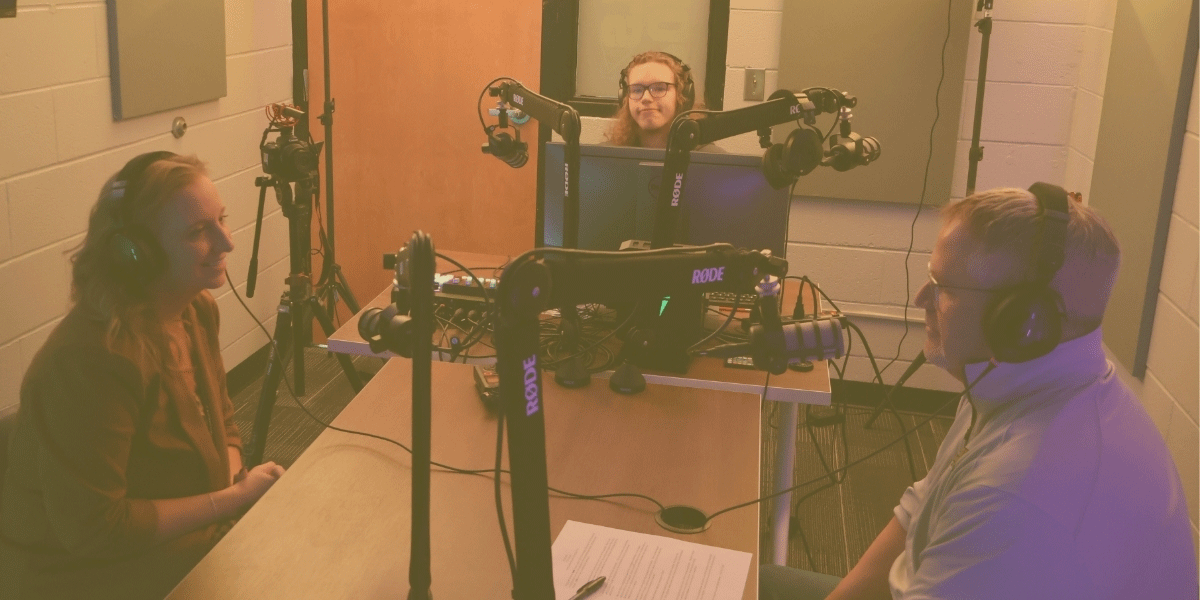
Introduction to Digital Media Content Creation introduces students to the creation and management of digital content used in modern marketing and communication. Students will produce a variety of media, including podcasts, videos, blogs, and social media content, while learning how digital platforms are used to engage audiences and promote messages.

Students will develop skills in planning, organizing, creating, and analyzing digital content as part of a cohesive digital marketing campaign. Instruction includes understanding audience engagement, storytelling, branding, and the use of analytics to measure the effectiveness of content marketing strategies across multiple online platforms.

Through hands-on projects and real-world applications, students will gain experience with content creation tools, collaboration, and strategic decision-making. This course provides a strong foundation for students interested in digital media, marketing, communications, and creative technology careers.

6058: Dual Credit Crowder College Social Media Strategies (DIGM-104)

Course Credit 0.5

Social Media Strategies is an advanced course focused on digital media content creation and the strategic use of social platforms for marketing and communication. Students will design, produce, and manage comprehensive social media campaigns that include podcasts, video production, visual communication, and written social media content.

Students will learn how to plan and execute media marketing campaigns across a variety of social media platforms, emphasizing audience engagement, branding, storytelling, and ethical digital practices. Instruction also includes analyzing engagement metrics, refining strategies based on data, and understanding platform-specific best practices.

Through hands-on projects and real-world applications, students will develop advanced skills in content creation, collaboration, and digital strategy, preparing them for careers in social media marketing, digital media, communications, and related fields.

6208: Introduction to Radio and Television

Course Credit 1

Radio and Television Technology is an introductory course designed to provide high school students with a foundation in broadcast media and digital production. Students will explore the principles, equipment, and techniques used in radio and television industries.

The course covers basic audio and video production, camera operation, sound recording, lighting, scriptwriting, and editing. Students will also examine media ethics, communication skills, and the role of radio and television in society. Hands-on projects allow students to apply technical skills while developing creativity and teamwork.

This course provides a strong foundation for students interested in careers in broadcasting, journalism, digital media, film, or related communication fields.

6209: Radio and Television Technology II

Course Credit 1

Radio and Television Technology II is an advanced course designed for students who have completed Radio and Television Technology I and wish to deepen their skills in broadcast media and digital production. This course emphasizes advanced technical proficiency, creative storytelling, and professional production practices.

Students will expand their knowledge of audio and video production through advanced camera techniques, lighting, sound design, scriptwriting, directing, editing, and post-production. Emphasis is placed on teamwork, project management, media ethics, and real-world applications. Students may produce broadcast-ready content for school or community platforms.

This course prepares students for advanced study or entry-level opportunities in broadcasting, journalism, film, and digital media fields.

6210: Wildcat Multimedia I

Course Credit 1

Wildcat Multimedia I introduces students to the foundations of multimedia design, visual storytelling, and digital production. Students explore how images, sound, and motion communicate ideas and evoke emotion while learning essential principles of design and composition.

Through hands-on projects in photography, video production, and digital graphics, students develop creative and technical skills using industry-standard software and tools. Emphasis is placed on visual storytelling, collaboration, and responsible media creation and use. This course provides a strong foundation for students interested in advanced study or careers in multimedia, design, and digital production.

6211: Wildcat Multimedia II

Course Credit 1

Wildcat Multimedia II builds upon the foundations of design and visual storytelling introduced in Wildcat Multimedia I, with an emphasis on project planning, production, and post-production across multiple media forms. Students integrate visual, audio, and motion elements to create cohesive multimedia works designed for real audiences.

Projects may include video shorts, digital graphics, audio storytelling, or promotional content for school or community events. Students refine technical proficiency by working with advanced tools and workflows while collaborating on team-based projects. Emphasis is placed on meeting deadlines, managing projects, and presenting creative decisions in a professional manner.

This course prepares students for advanced multimedia study, leadership roles in media production, or careers in digital design and content creation.

6223: Graphic Design

Course Credit 1

This course is an introduction to graphic design with a primary focus on the practical application of design principles and tools. Students will learn the “how” of graphic design by creating original work using Adobe Illustrator, Adobe Photoshop, and Adobe InDesign, which are industry-standard software programs.

Instruction includes an overview of the elements and principles of design to help students understand what makes effective visual communication. This course provides a strong foundation for further study in web design, digital art, multimedia, and other advanced technology and design courses.

6224: AV Work-Based Learning

Course Credit 1

This course provides students with authentic, hands-on experience in the audio-visual (AV) and media production field through supervised work-based learning opportunities. Students apply classroom knowledge in real-world settings while developing technical, professional, and workplace skills related to audio, video, lighting, and live production environments.

Students may participate in community-based experiences that involve operating audio and video equipment, supporting live events, assisting with recording and editing projects, managing equipment setup and teardown, and following production workflows. Emphasis is placed on industry safety practices, equipment care, and effective teamwork in fast-paced production settings.

Throughout the course, students build employability skills such as communication, time management, problem solving, adaptability, and professionalism. Students are expected to reflect on their experiences, document skill development, and meet required hours aligned with work-based learning expectations.

AV Work Based Learning supports students interested in careers in audio-visual technology, broadcasting, digital media, live event production, and related creative and technical fields. This course helps students gain practical experience, explore career pathways, and develop workforce-ready skills while still in high school.

6225: Dual Credit Crowder College Photo Editing COMM-106

Course Credit 0.5

This course introduces students to the principles of digital image editing and manipulation for the purpose of creating professional digital marketing content. Students develop proficiency in Adobe Photoshop, learning how to create, edit, enhance, manage, and export digital images and creative illustrations for use in corporate and small business promotional scenarios.

Instruction emphasizes both technical skill development and creative problem solving. Students apply industry-standard design principles while working on real-world projects such as advertisements, social media graphics, branding assets, and marketing materials. The course also reinforces workflow management, file organization, and best practices for digital publishing.

Upon successful completion of the course, students have the opportunity to earn an Industry-Recognized Credential (IRC) in Adobe Photoshop. Students may also pair this credential with certifications in Adobe InDesign and Adobe Illustrator to earn the Adobe Certified Professional certificate, providing a strong foundation for careers in digital media, marketing, design, and related creative industries.

6226: Dual Credit Crowder College Digital Media Marketing and Photography Internship COMM-108

Course Credit 2

This capstone internship course provides students with first-hand, on-the-job experience in digital media marketing and photography through a structured, supervised work-based learning experience. Students complete a minimum of 120 hours during the term in an internship program collaboratively designed by the sponsor, student, and instructor to align with the student’s career interests and skill development goals.

Internships may be completed in any approved media-related field or relevant work setting, such as digital marketing, photography, content creation, social media management, branding, advertising, or visual media production. Students apply technical skills and professional practices in real-world environments while developing workplace competencies including communication, time management, collaboration, and problem solving.

This course is graded on a Pass/Fail basis and serves as a culminating experience that allows students to demonstrate readiness for postsecondary education or entry-level employment in media-related careers.

6227: Dual Credit Crowder College Photocommunications COMM-220

Course Credit 0.5

This introductory course provides students with a foundation in the essential processes and practices of photography, with an emphasis on digital imaging and photo manipulation. Students learn how photographic images are created, edited, and used for effective visual communication across a variety of contexts.

Course content includes camera operation, composition, lighting basics, image capture, and introductory digital editing techniques. Students explore how photography is used in creative, commercial, and media-related applications while developing technical skills and artistic awareness.

Students are expected to provide their own Digital Single-Lens Reflex (DSLR) camera for use in the course and should have a basic understanding of computer functions prior to enrollment. This course serves as a foundation for more advanced photography, digital media, and visual communications coursework.

6229: Dual Credit Crowder College Photocommunications II COMM-231

Course Credit 0.5

Photocommunications II builds on the skills developed in Photocommunications I (COMM 220) with an expanded focus on professional photography techniques and visual storytelling. Students deepen their understanding of lighting strategies, shooting procedures, and advanced digital techniques, including image editing, enhancement, and manipulation.

Emphasis is placed on using photography as a storytelling tool, with students learning how to plan, capture, and present images that communicate clear messages and narratives across creative and commercial contexts. Projects encourage critical thinking, creativity, and refinement of technical skills while reinforcing industry-standard workflows.

Students are expected to provide their own Digital Single-Lens Reflex (DSLR) camera for use throughout the course.

6231: Multimedia Exploration

Students will learn how to plan, write, and produce original multimedia projects using a variety of styles, techniques, and production processes. The course explores filmmaking, digital media creation, and audio storytelling, including trailers, stop-motion animation, computer animation, podcasts, biographies, and live-action video.

This course emphasizes storytelling, creativity, and technical skills while incorporating industry-related technologies used in multimedia production. Students are expected to multitask, pay close attention to detail, collaborate effectively, and demonstrate self-motivation throughout the creative process.

6250: Wildcat Media Productions

Course Credit 1

Wildcat Media Productions is an advanced, project-based course in which students take on real-world multimedia projects for school and community clients. Working in both studio and field environments, students produce professional-quality content such as athletic team features, event highlight reels, promotional campaigns, podcasts, and digital media for a variety of audiences.

Emphasis is placed on independence, leadership, and adherence to professional standards. Students manage all stages of production, including pre-production planning, client collaboration, production, post-production, and delivery of final media products. The course mirrors industry practices and workflows, preparing students for college programs and careers in media production, design, and communication.